Whether you work for a remote employer, run a freelance business, or manage a distributed team, Kenya offers more than most people realise for working outside the office.
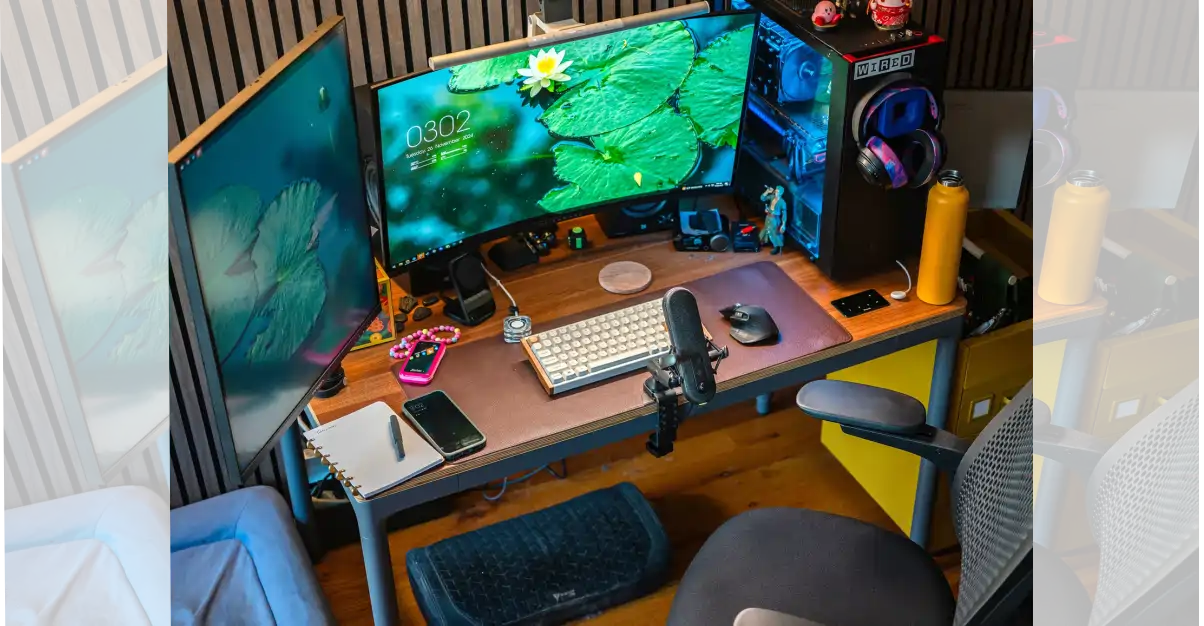
Remote work in Kenya has grown from an emergency arrangement during COVID-19 into a permanent feature of how many Nairobi professionals and companies operate. Tech professionals, consultants, designers, writers, and increasingly office workers at multinational companies now work from home some or all of the time.
Connectivity: Nairobi has fibre broadband available in most neighbourhoods, with competitive packages from Safaricom, Zuku, Faiba, and others starting from KSh 2,500/month for reliable speeds. 4G is strong in all major towns. The east African undersea cable network means international latency is reasonable — typically 150–250ms to Europe, 200–300ms to the US.
Cost of living: Nairobi is significantly cheaper than equivalent-quality cities in Europe and North America. A well-set-up home office with fibre internet, a laptop, and a quality chair costs less per year than a central London desk share.
Time zones: EAT (East Africa Time, UTC+3) overlaps well with European working hours and partially with US East Coast afternoons. Working with UK, European, or South African colleagues from Nairobi is straightforward.
The single biggest investment that improves remote work quality is a good internet connection. If your estate or building doesn't have fibre, consider a 4G router from Safaricom with a monthly data bundle as a backup. A UPS (uninterruptible power supply) of 600VA–1000VA gives you 1–2 hours of runtime during power outages — worth every shilling in Nairobi.
For video calls, a good USB microphone matters more than a camera. The default laptop microphone in a Nairobi home with background noise (traffic, birds, the neighbour's construction) will make you sound poor on calls. A KSh 4,000–8,000 USB microphone makes a noticeable difference.
If you work remotely for a foreign employer, your status matters. If you are directly employed by a foreign company, you should register for a KRA PIN as a self-employed person and pay income tax on your earnings — the income is taxable in Kenya even if your employer is abroad. If you operate through a Kenyan company (your own Ltd), invoice your foreign employer and the income goes through your company's accounts.
Freelancers earning in USD, GBP, or EUR should open a foreign currency account at a Kenyan bank (most major banks offer these) to hold earnings before converting.
For those who can't work from home or prefer variety: Nairobi has a strong coworking ecosystem. iHub, Nairobi Garage, C4DLab, and The Alley are among the established spaces, with day rates from KSh 500 and monthly desks from KSh 8,000.
Mycrea builds productivity tools and internal platforms for distributed Kenyan teams — if you're managing remote employees and need better project tracking or communication tools, start a conversation with us.
Related services
Tell us about your project. We'll show you what's possible.